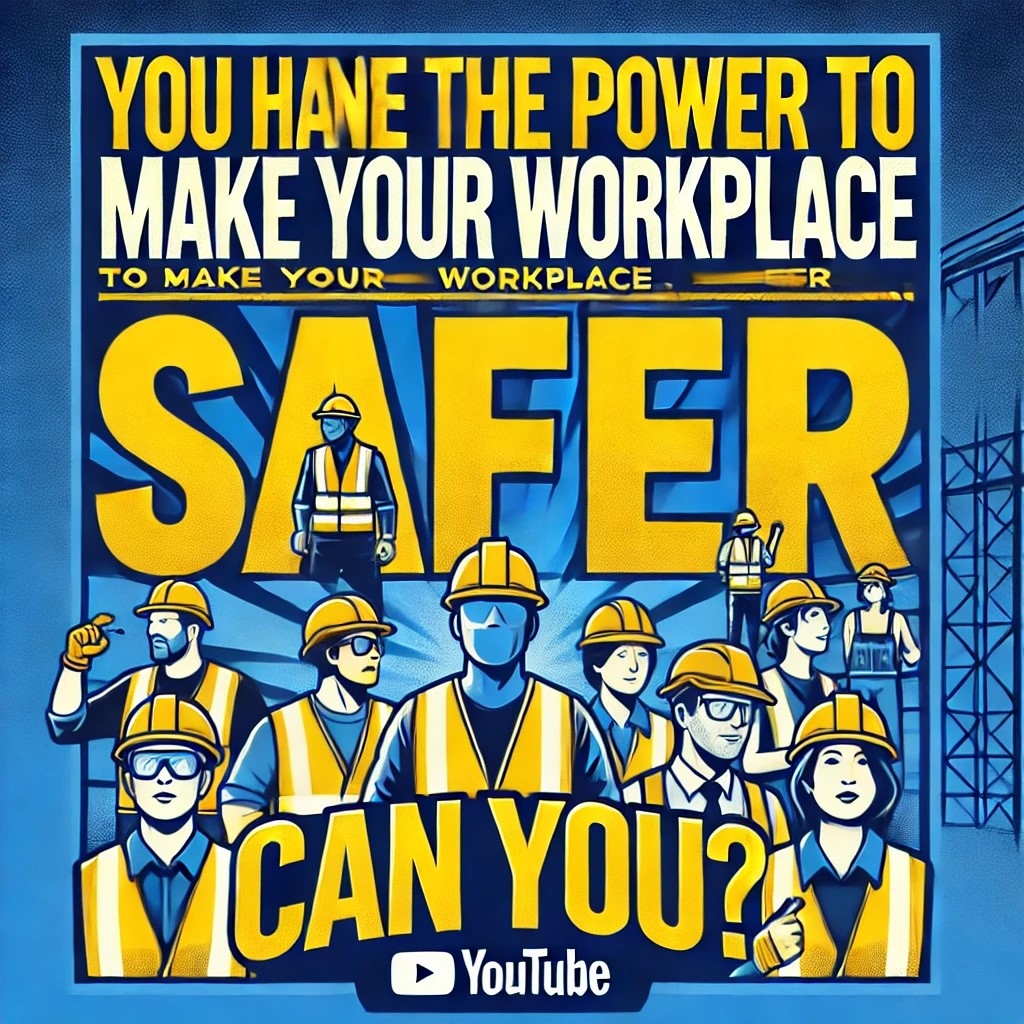
You Have the Power to Make the Workplace Safer – Can You?
You Have the Power to Make the Workplace Safer – Can You?
You Have The Power To Make The Workplace Safer – Can You?
Workplace safety isn’t just a management responsibility—it’s everyone’s duty. We often hear about safety protocols, regulations, and compliance standards like bizSafe level 2, but do we truly understand our individual power in creating a safer work environment? Every employee, from the newest hire to senior management, holds the key to preventing accidents and fostering a culture where safety comes first.
Think about it: how many near-misses have you witnessed that could have been prevented? How many times have you noticed a hazard but didn’t report it? The truth is, we all have the power to make a difference. The question is, will you use it?
Understanding Your Role in Workplace Safety
Why Every Employee Matters
Workplace safety is not a top-down initiative alone. While management sets policies and obtains certifications like Bizsafe level 2, the real implementation happens on the ground level. You are the eyes and ears of your organization. You’re present where accidents can happen, where equipment malfunctions, and where hazards emerge.
When we embrace our responsibility, we become active participants rather than passive observers. This shift in mindset transforms workplace culture from one of compliance to one of genuine care and vigilance.
The Ripple Effect of Individual Actions
Have you ever considered how one person’s negligence can endanger an entire team? Similarly, one person’s vigilance can protect many. When you report a safety concern, you’re not being a troublemaker—you’re being a lifesaver. Your actions create ripples that influence colleagues, encourage reporting, and ultimately build a stronger safety culture.
Creating a Culture of Safety: Where Do We Start?
Building Safety Awareness
Safety awareness begins with education. Understanding potential hazards, knowing emergency procedures, and being familiar with safety equipment are fundamental. Organizations pursuing bizSafe level 2 certification emphasize risk management training, but knowledge without application is worthless.
We need to move beyond checkbox training sessions. Real awareness comes from:
- Active participation in safety briefings: Don’t just attend—engage, ask questions, and share observations
- Regular workplace inspections: Take ownership of your work area
- Staying updated on protocols: Safety procedures evolve; make sure you’re current
- Understanding equipment operations: Know not just how to use tools, but how to use them safely
Encouraging Open Communication
One of the biggest barriers to workplace safety is the fear of speaking up. Perhaps you’ve worried about appearing incompetent or being labeled as someone who creates problems. But here’s the reality: safety concerns should never be silenced.
We must cultivate an environment where:
- Questions are welcomed, not dismissed
- Reporting hazards is celebrated, not punished
- Suggestions for improvement are encouraged
- Everyone feels their voice matters
Identifying and Managing Workplace Hazards
Common Workplace Risks
Different industries face different dangers, but some risks are universal. Understanding these helps us stay alert:
Physical Hazards: Slips, trips, falls, machinery accidents, electrical hazards, and noise exposure top this list. These are often the most visible but sometimes the most ignored because they seem “routine.”
Chemical Hazards: Exposure to toxic substances, improper storage, inadequate ventilation, and lack of protective equipment create serious risks, especially in manufacturing and laboratory settings.
Biological Hazards: Healthcare, food service, and waste management workers face exposure to bacteria, viruses, and other pathogens. Proper hygiene and protective measures are non-negotiable.
Ergonomic Hazards: Poor posture, repetitive motions, and improper workstation setup lead to chronic injuries that develop slowly but impact lives significantly.
Psychosocial Hazards: Stress, workplace violence, harassment, and burnout are increasingly recognized as legitimate safety concerns that affect mental and physical wellbeing.
Proactive Hazard Identification
Don’t wait for accidents to happen. We can identify hazards through:
- Regular workplace walkthroughs: Make it a habit to scan your environment
- Equipment inspections: Check tools and machinery before use
- Reviewing incident reports: Learn from past mistakes
- Listening to concerns: Pay attention when colleagues raise issues
- Staying informed: Keep up with industry-specific safety updates
The BizSafe Framework: Your Safety Roadmap
What is BizSafe Level 2?
BizSafe level 2 is part of Singapore’s five-step program designed to help companies build workplace safety capabilities. At this level, organizations ensure that senior management understands risk management principles and commits to implementing safety protocols.
But why does this matter to you as an individual employee? Because bizSafe level 2 certification indicates that your employer takes safety seriously at the highest levels. It means there’s a framework in place, resources allocated, and a commitment to continuous improvement.
If you’re looking to deepen your understanding of how bizSafe level 2 works and how it can transform your organization’s safety approach, you can explore comprehensive workplace safety and health management system implementation training that provides practical insights.
How BizSafe Level 2 Empowers You
When your company achieves bizSafe level 2, several things happen:
- Structured risk management: Hazards are systematically identified and controlled
- Clear safety responsibilities: Everyone knows their role
- Resources for safety: Proper equipment, training, and support become available
- Leadership accountability: Management is trained and responsible for safety outcomes
- Continuous improvement culture: Safety is reviewed and enhanced regularly
This framework doesn’t replace your responsibility—it amplifies your power. You’re no longer operating in a vacuum but within a system designed to support your safety efforts.
Practical Steps to Make Your Workplace Safer
Daily Safety Practices
Making workplace safer starts with consistent, everyday actions:
Morning Routine: Begin each day with a quick safety assessment. Is your workspace organized? Are pathways clear? Is equipment functioning properly?
Use PPE Properly: Personal protective equipment only works when used correctly and consistently. Don’t take shortcuts.
Follow Procedures: Those standard operating procedures exist for a reason. Even when you’re experienced, stick to the protocol.
Stay Alert: Fatigue and distraction are accident catalysts. Take breaks, stay hydrated, and maintain focus during critical tasks.
Report Immediately: See something concerning? Report it right away. Don’t assume someone else will handle it.
Leading by Example
You don’t need a title to be a safety leader. Your behavior influences those around you. When you:
- Consistently wear safety gear
- Follow protocols without cutting corners
- Speak up about hazards
- Encourage others to prioritize safety
- Participate actively in safety meetings
You become a role model. Others notice and often follow suit. This is how culture changes—one person at a time, one action at a time.
Overcoming Common Safety Barriers
“I Don’t Have Enough Resources for Safety”
This is perhaps the most dangerous mindset. We convince ourselves that meeting deadlines or finishing tasks justifies skipping safety steps. But here’s the truth: accidents create far more disruption than preventive measures ever will.
A momentary shortcut can lead to injuries requiring extensive recovery, investigations that halt operations, and trauma that lasts lifetimes. Safety doesn’t slow us down—it protects our ability to keep working.
“It Won’t Happen to Me”
Optimism bias makes us believe we’re somehow immune to accidents. We think, “I’ve done this a thousand times without incident.” But statistics don’t care about our confidence. Every accident victim once believed it wouldn’t happen to them.
Respecting risks isn’t about living in fear—it’s about acknowledging reality and taking appropriate precautions.
“Nobody Else Seems to Care”
Sometimes we feel like the only ones concerned about safety. This can be discouraging. But remember: culture change starts with individuals willing to swim against the current.
Your persistence can inspire others. What feels like shouting into the void today might spark a movement tomorrow. Don’t let complacency around you extinguish your vigilance.
The Impact of Workplace Accidents
Beyond the Obvious
When we think about workplace accidents, we often consider the immediate impact—the injury, the medical treatment, the recovery period. But the consequences extend much further:
Operational Impact: Equipment damage, production delays, investigation processes, and increased insurance premiums create substantial organizational burden.
Emotional Toll: Injured workers suffer pain, anxiety, and trauma. Colleagues witness frightening events. Families worry and struggle with changed circumstances.
Career Consequences: Serious injuries can end careers, force retraining, or permanently limit capabilities. The person you were before the accident might not be who you are after.
Organizational Reputation: Companies with poor safety records struggle to attract talent, secure contracts, and maintain stakeholder confidence.
Prevention is Always Better
Every accident prevented is a life unchanged, a family spared worry, and an organization protected. The investments we make in safety—attention, resources, commitment—pale in comparison to the massive consequences of failure.
This isn’t about fear-mongering. It’s about honest assessment. When we understand what’s at stake, our motivation to act strengthens.
Building Your Safety Skillset
Essential Safety Competencies
Regardless of your role, certain skills enhance your ability to contribute to workplace safety:
Risk Assessment: Learn to identify potential hazards before they cause harm. This means understanding your work environment, knowing common failure points, and thinking ahead.
Emergency Response: Know what to do when things go wrong. First aid training, fire safety, evacuation procedures, and emergency communication protocols can make critical differences.
Effective Communication: Report clearly, document thoroughly, and explain concerns persuasively. Good safety communication is specific, factual, and solution-oriented.
Equipment Knowledge: Understand the tools and machinery you work with. Know their capabilities, limitations, maintenance requirements, and danger zones.
Continuous Learning: Safety standards evolve. New hazards emerge. Technologies change. Commit to ongoing education and skill development.
Seeking Training Opportunities
Don’t wait for training to be assigned. Be proactive:
- Request specific training when you identify knowledge gaps
- Participate in workshops and seminars
- Learn from experienced colleagues
- Study incident reports to understand what went wrong and why
- Pursue certifications relevant to your field
Organizations working toward bizSafe level 2 and beyond typically offer training programs. Take full advantage of these opportunities.
Technology and Workplace Safety
Digital Tools for Safety Management
Modern technology offers powerful solutions for enhancing workplace safety:
Safety Management Software: Digital platforms help track incidents, manage inspections, schedule maintenance, and ensure compliance. These systems create transparency and accountability.
Wearable Technology: Smart helmets, vests with sensors, and location trackers can detect falls, monitor environmental conditions, and alert others during emergencies.
Mobile Applications: Apps enable instant reporting, provide quick access to safety data sheets, deliver real-time alerts, and facilitate communication.
Virtual Reality Training: VR simulations allow workers to experience hazardous scenarios safely, improving preparedness without risk.
The Human Element Remains Crucial
While technology enhances our capabilities, it doesn’t replace human judgment and responsibility. Sensors can detect gas leaks, but humans must respond appropriately. Software can track inspections, but humans must conduct them thoroughly.
We must embrace technology as a tool that empowers us, not a crutch that makes us complacent.
Mental Health and Workplace Safety
The Overlooked Safety Factor
Physical safety receives most attention, but mental wellbeing directly impacts workplace safety. Stressed, anxious, or depressed workers experience:
- Reduced concentration and focus
- Slower reaction times
- Impaired decision-making
- Decreased motivation to follow protocols
- Higher likelihood of errors
Organizations pursuing comprehensive safety programs, including bizSafe level 2 certification, increasingly recognize this connection.
Supporting Mental Wellbeing
We can contribute to psychological safety by:
- Checking in with colleagues who seem stressed
- Encouraging work-life balance
- Speaking openly about mental health
- Supporting those seeking help
- Managing workloads realistically
- Creating inclusive, respectful environments
When people feel psychologically safe, they’re more alert, engaged, and capable of maintaining physical safety standards.
Compliance vs. Commitment: Making the Choice
The Compliance Trap
Some organizations approach safety as a compliance exercise. They implement the minimum required to meet regulations, obtain certifications like bizSafe level 2, and avoid penalties. They follow the letter of the law but miss its spirit.
Compliance-focused cultures produce checkbox mentalities. People do what’s required, nothing more. Safety becomes an obligation rather than a value.
The Commitment Difference
Committed organizations—and individuals—go beyond requirements. They ask not “What must we do?” but “What should we do?” They view safety as a moral imperative, not a regulatory burden.
In committed cultures:
- Safety discussions happen naturally, not just at mandatory meetings
- People identify and fix hazards without being told
- Innovation in safety practices is encouraged and rewarded
- Mistakes become learning opportunities rather than punishment triggers
- Everyone feels personally invested in collective wellbeing
Which culture does your workplace embody? More importantly, which do you personally commit to?
Your Safety Action Plan
Starting Today
Ready to exercise your power to make the workplace safer? Here’s your action plan:
Phase 1 – Assess: Walk through your workplace with fresh eyes. Document hazards. Review safety procedures. Identify knowledge gaps.
Phase 2 – Communicate: Share your observations with supervisors. Discuss concerns with colleagues. Ask questions about anything unclear.
Phase 3 – Educate: Attend available training. Study relevant safety materials. Learn about your organization’s safety management system and certifications like bizSafe level 2.
Phase 4 – Act: Implement personal safety improvements. Model best practices. Encourage others. Report issues promptly.
Ongoing – Lead: Continue being vigilant. Stay updated on safety information. Participate in safety committees if possible. Never stop caring.
Measuring Your Impact
How do you know if you’re making a difference? Look for:
- Increased colleague awareness and discussion about safety
- Faster response to reported hazards
- Reduced incident rates in your area
- More participation in safety initiatives
- Positive feedback from management and peers
- Personal growth in safety knowledge and skills
Remember, impact isn’t always immediately visible. Some prevented accidents are never known because they never happened. Your vigilance might save a life without anyone realizing it.
The Collective Power of Individual Commitment
Alone We Can Do Little, Together We Transform
Individual actions matter, but collective commitment creates transformation. When an entire workforce embraces safety responsibility, extraordinary things happen:
Organizations become industry leaders. Innovation flourishes because people feel safe enough to experiment. Productivity increases because accidents don’t disrupt operations. Morale improves because people know their wellbeing matters.
This is the vision: workplaces where everyone goes home safe every day, where accidents are genuinely rare, and where safety is so ingrained in culture that it’s simply “how we do things.”
For organizations looking to understand the comprehensive approach to workplace safety management systems, exploring resources about workplace safety and health frameworks can provide valuable insights into building robust safety cultures.
Your Role in the Bigger Picture
You might think your contribution is small. You’re just one person among many. But consider this: every safe workplace began with individuals who refused to accept unnecessary risk. Every safety innovation came from someone who asked, “Could this be better?”
Your actions inspire others. Your vigilance prevents incidents. Your voice advocates for necessary changes. You are not insignificant—you are essential.
Conclusion
We return to the fundamental question: You have the power to make the workplace safer—can you? The answer is a resounding yes. You can, and you must. Workplace safety isn’t someone else’s responsibility; it’s ours collectively and yours individually.
From understanding your role to actively identifying hazards, from supporting frameworks like bizSafe level 2 to building personal safety skills, from leveraging technology to supporting mental wellbeing—every aspect contributes to a safer workplace. The power truly lies in your hands.
The real question isn’t about capability but willingness. Are you willing to stay alert when it’s easier to be complacent? Are you willing to speak up when silence is more comfortable? Are you willing to lead by example even when others aren’t watching?
Workplace safety isn’t a destination but a continuous journey. It requires daily commitment, constant vigilance, and unwavering dedication. But the rewards—lives protected, families kept whole, careers preserved—make every effort worthwhile. Together, we have the power. Together, we can make every workplace safer. The choice, ultimately, is yours.
FAQs
1. What exactly is BizSafe Level 2 and why should employees care about it?
BizSafe Level 2 is a certification that indicates an organization’s top management has completed risk management training and committed to implementing workplace safety measures. Employees should care because it means leadership understands safety principles, resources will be allocated to safety initiatives, and there’s a structured framework supporting your safety efforts. It’s not just a certificate on the wall—it represents management commitment that empowers you to prioritize safety without fear of pushback.
2. What should I do if I notice a safety hazard but my supervisor dismisses my concerns?
First, document your concern in writing with specific details about the hazard, potential consequences, and date of reporting. If your immediate supervisor doesn’t respond appropriately, escalate to higher management or your organization’s safety officer. Most companies have anonymous reporting mechanisms. In severe cases where there’s imminent danger and internal channels fail, regulatory authorities like the Ministry of Manpower in Singapore can be contacted. Never ignore serious hazards because someone dismissed your concerns.
3. How can I encourage safety awareness among colleagues who seem indifferent?
Lead by example first—consistently demonstrate safe practices without being preachy. Share relevant statistics or stories that illustrate why safety matters. Involve colleagues in solutions rather than just pointing out problems. Make safety discussions conversational rather than confrontational. Sometimes peer influence works better than top-down directives. If you create a culture where safety is normalized and valued rather than seen as burdensome, others gradually follow.
4. Are small businesses required to implement the same safety standards as large corporations?
Safety requirements generally apply to all businesses regardless of size, though specific regulations may vary by industry and jurisdiction. Small businesses might have simpler implementation methods, but the fundamental principle remains: employers must provide safe working environments. Programs like BizSafe are designed to be scalable, with Level 2 being particularly accessible for smaller organizations. Even without formal certifications, basic safety principles—hazard identification, risk control, proper training, and emergency preparedness—are universal obligations.
5. What’s the difference between a safety-compliant workplace and a truly safe workplace culture?
A compliant workplace checks regulatory boxes—it has required equipment, conducts mandatory training, and maintains documentation. A true safety culture goes deeper: safety becomes a core value, not just a requirement. In cultural safety, people naturally consider safety implications, report concerns without fear, support each other’s wellbeing, and continuously seek improvements. Compliance is the foundation, but culture is what prevents accidents when nobody’s watching. The former satisfies auditors; the latter saves lives.
Tag:Bisafe Level 2, WSHCM