Confined Space Rescue in Singapore: The Course That Could Save a Life on Your Worksite
What is confined space rescue in Singapore, and who needs it?
It is an 8-hour, MOM-compliant rescue training programme for workers, supervisors, and safety professionals operating in tanks, sewers, pits, and tunnels. Required under WSH (Confined Spaces) Regulations 2009, this course costs S$150 and covers SCBA, tripods, winches, and live rescue simulations.
Most Confined Space Deaths in Singapore Are Preventable. Here’s Why They Still Happen.
The casualty is not always the worker who entered the confined space.
More often, it is the co-worker who rushed in to help — without breathing apparatus, without a retrieval line, without any training. One incapacitated worker becomes two. Sometimes three. Investigators call it the rescuer effect, and it is one of the most consistent and avoidable patterns in workplace fatality data across Singapore’s construction, marine, and petrochemical sectors.
Confined space rescue in Singapore is the direct answer to this problem. It does not just teach people how to go in. It teaches them when not to, what to set up before anyone moves, and how to bring someone out alive without adding to the body count.
At Ensure Safe Consultancy, we have trained rescue teams who have used these skills on real sites. The difference between a trained team and an untrained one is not marginal. It is the difference between a recovery and a double fatality.

What the Law Actually Requires From You
Under the Workplace Safety and Health (Confined Spaces) Regulations 2009, the Ministry of Manpower requires that a competent rescue team be on standby before any authorised confined space entry begins. Rescue team members must be trained in the use of rescue equipment and emergency procedures relevant to the specific confined space environment.
There is no grey area here. If you send workers into confined spaces without a trained rescue team standing by, you are in breach of the Regulations. The consequences range from stop-work orders to prosecution — and those are the consequences you can quantify. The human cost is the one you cannot.
For the full regulatory text, refer to the WSH (Confined Spaces) Regulations 2009 on the Singapore Statutes Online portal.
Confined space rescue in Singapore training at Ensure Safe Consultancy is built to satisfy these legal obligations precisely, covering every competency MOM’s framework requires your rescue team to demonstrate.
Who Should Be in the Room on Training Day?
This course is not for everyone on your payroll. It is for the specific people who will be standing at the entry point when something goes wrong.
- Designated rescue team members — the core audience; you are the ones who will act
- Confined space supervisors — you need to understand the rescue sequence to manage it
- WSH officers and safety professionals — overseeing permit-to-work systems and rescue readiness
- Facility and maintenance engineers — responsible for regular entries into tanks, pits, and vaults
- Marine, petrochemical, and civil construction workers — industries with the highest confined space exposure in Singapore
If your name appears on a permit-to-work as rescue standby, you need to have completed confined space rescue in Singapore training. Full stop.
What You Will Actually Do in This Course
Theory matters. Hands-on practice is what saves lives.
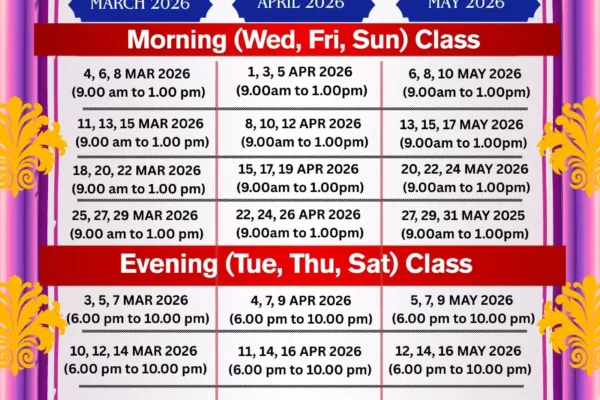
Our Confined Space Rescue Course (CSRC) is an 8-hour programme split between structured classroom instruction and intensive practical simulation. Participants do not watch demonstrations — they perform them.
Gas monitoring. You will operate a multi-gas detector, read live atmospheric data, and make go or no-go entry decisions based on oxygen levels, LEL readings, and toxic gas concentrations. This is the first skill a rescue standby person uses, and it is often the most neglected.
SCBA donning and operation. Wearing a Self-Contained Breathing Apparatus while physically performing a rescue is a different experience from watching someone else do it. You will don the unit, perform a seal check, and work under the restricted visibility and communication conditions that real rescues involve.
Tripod and winch setup. You will erect a tripod over a simulated entry point, rig a winch, attach a harness to a casualty, and execute a mechanical non-entry retrieval. This is the preferred rescue method under MOM guidelines — getting the casualty out without sending another person in. Most untrained workers have never touched this equipment. After this course, you will have set it up under pressure.
Rescue simulation. Working as a team, you will run through a full confined space emergency scenario — from atmospheric testing to casualty extraction to initial first aid. The scenarios are deliberately stressful. Real incidents do not give you ideal conditions, and neither do we.
Course Details
| Duration | 8 hours (classroom + practical) |
| Fee | S$150 per participant |
| Assessment | Written test + practical evaluation |
| Regulatory Alignment | WSH (Confined Spaces) Regulations 2009 |
| Language | English |
| Location | 3 Soon Lee Street, Pioneer Junction, Singapore |
Why Organisations in Singapore Trust Ensure Safe Consultancy
Our trainers are not career academics. They are WSH professionals with field experience in the industries where confined space rescue in Singapore matters most — construction, marine, oil and gas, and utilities. They bring real incident context into every session, not just slide decks.
Class sizes are kept deliberately small. Every participant handles the equipment. Nobody spends the day watching from the back of the room. The curriculum is continuously updated against MOM guidance and evolving industry best practices — what you learn here reflects current regulatory expectations, not an outdated syllabus.
Frequently Asked Questions
Is confined space rescue in Singapore training the same as confined space entry training?
No. Entry training qualifies workers to enter as entrants or standby persons. Rescue training qualifies them to respond when an entrant is incapacitated. Different competency, different regulatory obligation. Many workers need both.
Does this course meet MOM’s requirements under the WSH (Confined Spaces) Regulations 2009?
Yes. The course content at Ensure Safe Consultancy is structured to address the rescue team competency requirements under the Regulations. Employers should review the specific provisions applicable to their operations and consult MOM’s published guidance directly.
Can the course be run as a group booking or at our worksite?
Yes. Ensure Safe Consultancy accommodates group bookings and can discuss customised scheduling for larger teams. The curriculum for confined space rescue in Singapore remains consistent across all delivery formats.
Your Team Is Either Ready or They Are Not. Make Them Ready.
When a confined space emergency happens, there is no time to read a manual, locate equipment, or figure out who is supposed to do what. The only thing that works in those moments is trained instinct built through repetition — and that is exactly what this course delivers.
Register your team for confined space rescue in Singapore training at Ensure Safe Consultancy today.
🔗 Book Now: Confined Space Rescue Course (CSRC) — Ensure Safe Consultancy 📍 Visit Us: 3 Soon Lee Street, Pioneer Junction, Singapore