Apply Workplace Safety and Health in Process Plant: Singapore’s Complete AWSHPP Compliance Guide
Quick Answer: What is AWSHPP and Why It’s Mandatory
Apply Workplace Safety and Health in Process Plant (AWSHPP) is Singapore’s legally required safety course certification for workers entering petrochemical and chemical process facilities. Under the Workplace Safety and Health Act, all personnel working in process plants—including contractors, supervisors, and maintenance staff—must complete this course before site access.
Key Facts:
- Replaces: OPSOC (Operational Safety in Oil & Petrochemical Course)
- Validity: 3 years from certification date
- Governed by: Ministry of Manpower (MOM) and SkillsFuture Singapore (SSG)
- Mandatory for: Jurong Island facilities, refineries, chemical plants, and LNG terminals
- Attendance: Singpass e-attendance verification required for all sessions

Why Apply Workplace Safety and Health in Process Plant Courses Certification is Non-Negotiable
You can’t walk onto a Jurong Island petrochemical site without it. Singapore’s process industry handles materials that can kill within seconds—hydrogen sulfide, hydrocarbons under pressure, superheated steam, cryogenic LNG. One procedural error at a distillation column or during confined space entry can trigger cascading failures affecting hundreds of workers.
That’s why the Workplace Safety and Health (WSH) Act mandates the Apply Workplace Safety and Health in Process Plant course certification. Without valid AWSHPP credentials, site security will turn you away, and your employer faces regulatory penalties under MOM’s enforcement framework.
The certification proves you understand permit-to-work systems, process-specific hazards, emergency response protocols, and proper PPE selection for chemical exposures.
Legal Framework: Singapore’s WSH Act Requirements
Singapore’s petrochemical sector operates under strict MOM oversight. Here’s the compliance hierarchy:
| Regulation | Requirement | Penalty for Non-Compliance |
| WSH Act Section 12 | Employers must ensure workers are trained for process plant hazards | Fine up to $200,000 and/or 2 years imprisonment |
| WSH (Risk Management) Regulations | Mandatory hazard identification and risk assessment | Stop-work orders until compliance |
| SS 506 (Singapore Standard) | Chemical safety data management and labeling | Financial penalties and liability exposure |
Who Needs to Apply Workplace Safety and Health in Process Plant Course Certification?
This requirement extends to:
- Process operators working with reactors, distillation units, or storage tanks
- Maintenance technicians performing mechanical, electrical, or instrumentation work
- Contractors (scaffolders, painters, insulators) entering process areas
- Supervisors and safety coordinators overseeing process plant activities
- Emergency response personnel stationed at petrochemical facilities
Critical Hazards in Process Plants
According to the Workplace Safety and Health Council’s industry guidelines, these are the hazards that the Apply Workplace Safety and Health in Process Plant course specifically addresses:
1. Fire and Explosion Hazards
Hydrocarbons create explosive atmospheres. A single spark near a flange leak during maintenance can ignite a jet fire or cause a BLEVE (Boiling Liquid Expanding Vapor Explosion). Control measures include hot work permits with pre-job gas testing, intrinsically safe electrical equipment in classified zones, and continuous flammable gas detection systems.
2. Toxic Chemical Exposure
Materials like benzene, chlorine, ammonia, and hydrogen sulfide cause acute poisoning. H₂S at 100 ppm causes immediate unconsciousness. The National Environment Agency (NEA) maintains comprehensive chemical safety guidelines for Singapore’s industrial sector. Workers must use chemical-specific PPE, conduct atmospheric monitoring before confined space entry, and maintain accessible Material Safety Data Sheets.
3. Confined Space Entry
Tanks, vessels, and sumps present oxygen deficiency, toxic gases, and engulfment risks. The WSH Council’s Code of Practice for Confined Space Entry provides detailed requirements including pre-entry atmospheric testing, continuous ventilation, standby rescue personnel, and communication systems for entrants.
4. Work-at-Height
Process plants require frequent access to elevated platforms and pipe racks. Control measures include fall arrest systems, certified scaffolding, guardrails, and pre-use equipment inspections.
5. Mechanical and Thermal Hazards
Rotating equipment creates crush and amputation risks, while steam lines and furnaces operate at temperatures exceeding 300°C. Lockout/Tagout procedures, machine guarding, and proper insulation are essential controls.
The Apply Workplace Safety and Health in Process Plant Course: What You’ll Master
The Apply Workplace Safety and Health in Process Plant curriculum (9 hours) focuses on practical survival skills aligned with Singapore’s WSH Framework.
Foundation and Hazard Recognition
- Singapore WSH Act legal obligations
- Process plant layout and nomenclature (understanding P&IDs)
- Identifying fire/explosion zones (Class I Division 1 vs. Division 2)
- Chemical hazard classification and MSDS interpretation
- PPE selection matrix for various chemical exposures
Operational Safety Systems
Permit-to-Work (PTW) Systems: Participants learn to recognize when permits are required (hot work, confined space, work-at-height, excavation), verify isolation and energy control, coordinate simultaneous operations, and close out permits after job completion.
Emergency Response Protocols: Training covers recognizing alarm types, muster point procedures, using emergency equipment (fire extinguishers, EEBDs), and communicating incidents properly.
Safe Work Practices: Pre-job safety briefings, hazard identification using JSAs (Job Safety Analyses), stop-work authority protocols, and incident reporting obligations.
Assessment and Certification
Participants must pass a written exam (80% passing score), practical demonstration (correct SCBA donning or PTW execution), and Singpass e-attendance verification for all sessions. Upon passing, SkillsFuture Singapore (SSG) issues a digital certificate valid for 3 years.

Real-World Safety Gaps: Consultant’s Insights
Insight #1: Permit-to-Work Complacency
During a Jurong Island refinery turnaround, we observed contractors completing PTW forms without physically verifying isolation. In one case, a flange was opened with residual hydrocarbon pressure, spraying flammable liquid across the work area. This demonstrates why the Apply Workplace Safety and Health in Process Plant course certification emphasizes verification, not just paperwork completion.
The Fix: We train supervisors to conduct random permit audits—physically verifying 10% of active permits to catch complacency before incidents occur.
Insight #2: Inadequate Confined Space Gas Testing
A maintenance crew prepared to enter a separator vessel with a single-point gas meter showing “safe” readings at the entry manway. Inside the vessel, heavier-than-air hydrogen sulfide had settled at the bottom—undetected. The first entrant collapsed within 30 seconds.
The Fix: Multi-point atmospheric testing at confined space tops, middles, and bottoms is now mandatory, with continuous monitoring positioned in the entrant’s breathing zone—a critical lesson reinforced in the Apply Workplace Safety and Health in Process Plant training.
Insight #3: Equipment Certification Confusion
An electrical contractor brought a standard handheld radio into a Class I Division 1 area, believing “explosion-proof” and “intrinsically safe” were interchangeable. They’re not. His radio could have ignited hydrocarbons.
The Fix: Our AWSHPP training now includes hands-on equipment identification sessions where workers must correctly identify IS-certified tools before passing the practical exam.
Beyond Certification: Maintaining Safety Culture
The Apply Workplace Safety and Health in Process Plant certification proves minimum competency on Day 1. Maintaining safety over years requires systemic culture change, as outlined in the WSH Council’s Safety Culture Framework.
Key strategies include:
- Normalizing stop-work authority without fear of retaliation
- Implementing near-miss reporting systems to identify trends
- Conducting annual competency refreshers on PTW procedures and emergency response
- Integrating safety metrics into performance reviews
- Leveraging behavioral-based safety observations for real-time coaching
How to Get AWSHPP Course Certificate in Ensure Safe Consultancy
Ready to apply workplace safety and health in process plant environments? Here’s your complete guide to obtaining AWSHPP course certification through Ensure Safe Consultancy:
Step 1: Enroll with Ensure Safe Consultancy—Your SSG-Approved Training Provider
Ensure Safe Consultancy is an authorized training provider offering the Apply Workplace Safety and Health in Process Plant (AWSHPP) course for individuals working in Singapore’s Oil and Petrochemical industry. Their experienced instructors bring real-world process plant expertise from Jurong Island and mainland facilities.
Course Details:
- Duration: 9 hours total (8 hours training + 1 hour assessment)
- Training Methodology: Blended learning approach including:
- Lecture slides and presentations
- Self-directed learning and e-learning modules
- Group discussions and case studies
- Sharing of best practices and incident reviews
- Hands-on practical sessions
- Trainer-to-Trainee Ratio: 1:20 for optimal learning experience
Step 2: Verify Course Fees
Course Fee: SGD $90
This competitive pricing makes the AWSHPP certification accessible for workers, contractors, and employers looking to ensure their personnel meet Singapore’s mandatory safety requirements for process plant environments.
Step 3: Ensure You Meet Pre-Requisites
Before enrolling, verify that you meet the following requirements:
- Proficiency in English (reading, writing, speaking, listening) at a level equivalent to Employability Skills System (ESS-Level-2)
- Access to a working SingPass account for mandatory e-attendance verification
Important: As per SSG regulations implemented from October 1, 2023, e-attendance via SingPass is mandatory for all participants. Ensure your SingPass app is functional before attending the course.
Step 4: Register for the Course
Registration Options:
- Online Registration: Complete the registration form
- WhatsApp Inquiry: +65 9680 5878
- Email: training@ensuresafe.sg
- Phone: +65 6977 7350
Download Resources:
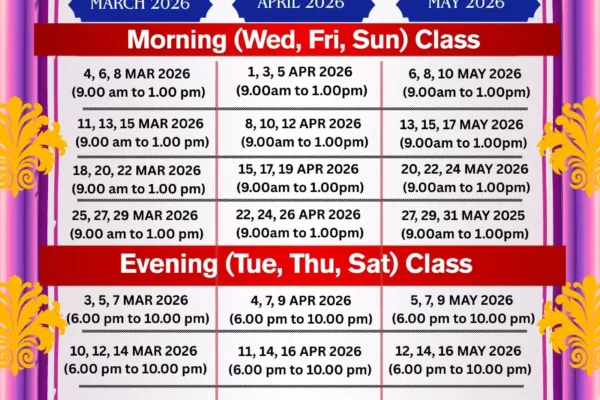
- Course Schedule – Check available dates
- Course Brochure – Detailed course information
Conclusion
The Apply Workplace Safety and Health in Process Plant course certificate opens doors to Singapore’s petrochemical sector, but the knowledge behind it keeps you alive. Process plants are unforgiving environments that reward vigilance and procedure adherence while punishing complacency.
AWSHPP isn’t compliance theater—it addresses statistically rare but catastrophically severe events. Your training is designed to prevent the low-probability, high-consequence incidents that define process plant risk.
Ensure Safe Consultancy’s program goes beyond checkbox training. We focus on real-world decision-making: knowing when to challenge a permit, recognizing early signs of process upsets, and having confidence to assert stop-work authority.
Ready to start your certification? Explore upcoming course dates at AWSHPP course details.
Frequently Asked Questions
Q: Is AWSHPP the same as the old OPSOC course?
Yes—the Apply Workplace Safety and Health in Process Plant course replaced OPSOC in 2019 as part of Singapore’s SkillsFuture framework updates. The content is similar but AWSHPP includes additional modules on risk management and uses SSG’s competency-based assessment model. If you hold a valid OPSOC certificate issued before 2019, it remains valid until expiry, after which you must recertify using AWSHPP.
Q: Can I use an expired AWSHPP certificate while waiting for recertification?
Absolutely not. An expired certificate is legally invalid—MOM considers you uncertified. Process plant site security will deny access, and your employer can face penalties for deploying uncertified workers under Section 12 of the WSH Act. Always recertify at least 1 month before expiry.
Q: Do foreign workers need to apply workplace safety and health in process plant certification?
Yes. AWSHPP is a job-based requirement, not a nationality-based one. Any worker—Singaporean, PR, or foreigner—performing process plant work must hold valid certification as mandated by MOM’s WSH regulations. The course is conducted in English, so participants must demonstrate sufficient English proficiency.